

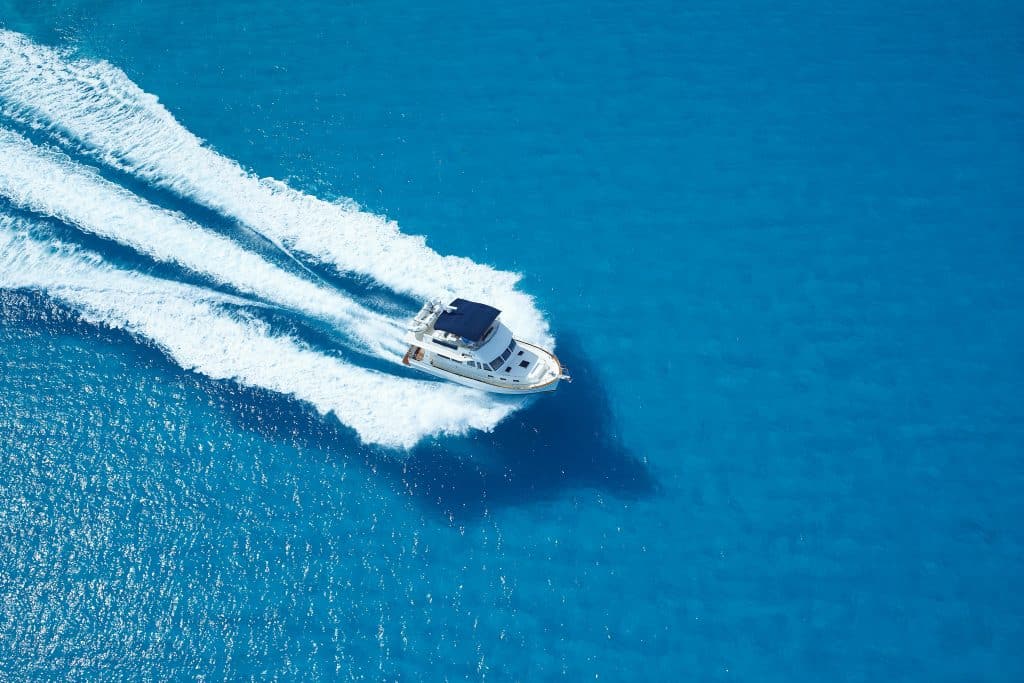
With more than 1,000 miles of coastline—and countless inland rivers and lakes—it should come as no surprise that Florida is one of the top states in the country for boating. More than 1 million recreational watercraft are registered throughout the state, from jet skis to yachts.
If you’re a boat owner, you’ve probably already taken steps to keep yourself and your passengers safe on the water. Boat insurance helps you take the same precautions with your finances.
The average cost of boat insurance in Florida is roughly $650 a year, but an average can only tell you so much. Your actual premium will depend on the boat you own, where and how you use it, your boating history, and (most importantly) the coverage you select.
Two policies can have similar prices while offering very different levels of protection. So while cost is an important part of shopping for boat insurance, the goal shouldn’t be to find the cheapest policy possible. It should be to find coverage that protects you, your passengers, and your watercraft without paying for insurance you don’t need.
What Is the Average Cost of Boat Insurance in Florida?
The average cost of boat insurance in Florida is roughly $650 a year.
However, that doesn’t mean every Florida boat owner should expect a $650 bill. Some policies may cost less, while others may cost significantly more.
Think of the average as a general starting point, not a quote. A small watercraft used occasionally on an inland lake will not cost the same to insure as a larger, more powerful boat used regularly in saltwater.
Even two neighbors with similar boats may receive different rates. One may have more boating experience, a different claims history, additional safety equipment, or broader coverage. Each of those details can influence the final premium.
The only way to know what boat insurance will cost for you is to review your specific watercraft, how you use it, and the protection you want.
Why Is Boat Insurance More Expensive in Florida?
Florida is considered a “high cost” state for boat insurance. If you recently moved from a state like Minnesota or Ohio, you should expect higher insurance premiums in the Sunshine State.
One reason is Florida’s exposure to hurricanes, tropical storms, high winds, and flooding. A major storm can damage boats at marinas, in storage, or even while they’re secured on private property. When insurers expect a higher likelihood of widespread losses, that risk can be reflected in premiums.
Florida also has an extensive coastline, abundant inland waterways, and a long boating season. Boats are used more frequently and may be exposed to saltwater, severe weather, and other conditions for more of the year than they would be in many other states.
All of this makes Florida a unique insurance market. The state’s weather, waterways, and year-round boating opportunities can contribute to higher boat insurance costs before an insurer even considers the details of your individual watercraft.
What Factors Affect Boat Insurance Rates?
Insurance companies look at several factors when calculating boat insurance rates. Understanding these details can also help explain why one quote may look very different from another.
1. The Type, Size, and Value of Your Watercraft
In most cases, the bigger and more expensive the boat, the more you should expect to pay for insurance.
A larger or more valuable watercraft may cost more to repair or replace after a covered loss. The type of watercraft matters as well. A jet ski, fishing boat, pontoon, and yacht are not identical risks, even though they all belong on the water.
2. The Age of Your Boat
Because newer boats often cost more to repair or replace, they may be more expensive to insure than older boats.
Age is only one part of the picture, however. The condition, value, equipment, and mechanical systems of the boat may also affect the coverage you need.
3. Horsepower
If you feel a need for speed, you may also need to pay more for insurance.
Higher horsepower can affect how an insurer evaluates a watercraft. When requesting a quote, be prepared to provide accurate information about your boat’s motor and performance.
4. Where and How You Use the Boat
Your location includes more than your home address. An insurer may also want to know where the boat is stored, where you operate it, and how frequently it is used.
A boat used on an inland lake may have different exposures than one regularly taken into saltwater. The activities you enjoy on the boat can matter as well, especially if you use it for water-skiing, wakeboarding, tubing, or other water sports.
5. Your Boating History
More experienced boaters may be less likely to get into an accident, which can result in lower rates.
Your boating history gives an insurer more information about how much risk you may present. Completing an approved boating safety course may also help demonstrate that you take safety seriously.
6. Safety Measures
Much like car insurance, boat insurance is often cheaper if your watercraft has certain safety equipment.
The exact equipment and discounts available will depend on the insurer. Before purchasing or installing something purely for an insurance discount, ask your agent which safety measures the carrier recognizes.
7. Your Coverage Choices
The amount and type of coverage you purchase also affect the cost of your policy.
A policy that provides only limited protection should not be compared directly with one that includes broader coverage, higher limits, towing protection, water-sports coverage, or other options.
That doesn’t automatically mean the more expensive policy is the right one. It means you need to understand what each quote includes before deciding which one provides the better value.
What Types of Boat Insurance Affect Your Price?
Boat insurance is not always one standard package. Different policies can combine several types of coverage based on the boat, the owner, and the risks involved.
Common boat insurance options include:
- Property Damage Liability Insurance: Helps protect you if your watercraft damages a third party’s property.
- Bodily Injury Liability Coverage: Helps protect you if a third party is injured.
- Medical Payments: Helps cover injuries to you or a passenger.
- Collision and Comprehensive Coverage: Helps protect against damage to your boat.
- Mechanical Breakdown Coverage: Helps protect against damage to your motor or other mechanical systems.
- On-Water Towing: Reimburses you for on-water towing costs after an accident or breakdown.
- Uninsured Watercraft Coverage: Helps protect you and your passengers against injuries caused by a boater with inadequate insurance or no insurance.
- Water Sports Coverage: Helps protect against injuries associated with water sports such as water-skiing, wakeboarding, and tubing.
- Umbrella Insurance: Increases the policy limits and/or coverage available over certain existing policies.
Not every boat owner will need every option. But removing coverage solely to lower the premium can create gaps that become painfully obvious after a loss.
A better approach is to understand what each policy covers, decide which risks you want the insurer to take on, and then compare prices for similar protection.
What Should You Compare Besides the Premium?
It is tempting to place two quotes next to each other, look at the bottom line, and choose the cheaper one.
But a premium does not tell you the whole story.
Before selecting a boat insurance policy, compare:
- The types of losses covered
- The policy limits
- The deductible
- Liability protection
- Coverage for your boat and equipment
- Medical payments coverage
- On-water towing
- Uninsured watercraft coverage
- Water-sports coverage
- Mechanical breakdown options
- Any limitations on where or how the boat may be used
One quote may cost less because it provides less coverage. Another may include options you do not need. There may also be meaningful differences in limits, deductibles, and policy terms.
This is where the phrase “best boat insurance” can become misleading. The best policy is not necessarily the one with the lowest premium or the longest list of features. It is the one that matches your watercraft, risk exposure, priorities, and budget.
Is Boat Insurance Required in Florida?
Currently, there are no Florida laws that require boat owners to purchase boat insurance.
However, that doesn’t mean you can always choose to go without it. If you financed your boat, your lender may require you to carry some form of coverage while the loan is active.
Marinas or other facilities may also have their own insurance requirements before allowing you to dock or store your boat. Those requirements are separate from state law, so it is important to check any agreement you sign.
Even when insurance is not mandatory, going without it means accepting the financial consequences yourself if your boat is damaged, you damage someone else’s property, or someone is injured.
Does Homeowners Insurance Cover a Boat?
There’s a chance your homeowners policy provides some coverage for watercraft, but that protection is usually very limited.
Most of the time, only losses that occur outside of the water are covered, and coverage is limited to $1,000. That may be enough for certain small watercraft or equipment, but it should not be confused with a dedicated boat insurance policy.
Review your homeowners policy carefully and speak with your agent before assuming your boat is protected. The fact that a policy mentions watercraft does not necessarily mean it provides the coverage you expect while the boat is in use.
How to Reduce Boat Insurance Costs Without Sacrificing Coverage
Boat insurance is significantly more affordable than home or auto insurance, and there are ways to reduce your premiums while still maintaining meaningful protection.
Take Safety Seriously
Outfit your boat with appropriate safety equipment and attend an approved boat safety course. Going beyond the minimum legal requirements may help keep you and your passengers safer while also showing the insurer that you take risk seriously.
Store Your Boat Carefully
If possible, store your boat indoors when it’s not in use.
The more exposure it has, the more opportunities there are for theft, damage, and vandalism. Proper storage can help protect the boat itself while potentially making you a more attractive risk to an insurer.
Ask About Bundling
If you already own a home or auto policy, ask your insurance provider whether bundling your policies could reduce your premiums.
Bundling is not automatically the right choice, and the lowest combined price does not always provide the best combined coverage. Compare the complete policies before making a decision.
Ask About Multi-Boat Discounts
If you own multiple watercraft, a multi-boat discount may help reduce your premiums.
Be sure each boat is described accurately. The coverage needs for a jet ski may be very different from those of a larger boat, even when both are insured through the same carrier.
Compare Equivalent Coverage
The best way to evaluate price is to compare quotes that provide similar coverage.
If one policy includes higher liability limits, towing, water-sports protection, or mechanical breakdown coverage and the other does not, the price difference may be easy to explain.
Start by deciding what protection you need. Then look for the policy that provides the strongest value for those needs.

Get a Florida Boat Insurance Quote
Finding the right boat insurance policy is crucial if you want protection where you are most vulnerable.
Whether you’re an avid saltwater enthusiast or an inland angler, your policy should reflect the watercraft you own, how you use it, and the risks you may encounter on the water.
And the best way to get a solid boat insurance policy is by working with an independent insurance agent.
At Harry Levine Insurance, we’ve been one of Orlando’s top independent insurance agencies for more than 30 years. Because we’re not tied to one specific carrier, we can provide more choice when it comes to your boat insurance policy.
We’ll help you look beyond the premium, understand the differences between your options, and find coverage that fits your boat, budget, and priorities.
Whatever the size of your watercraft, give Harry Levine Insurance a call to discuss your coverage options. We’ll help make sure your next weekend on the water doesn’t leave you—or your bank account—high and dry.